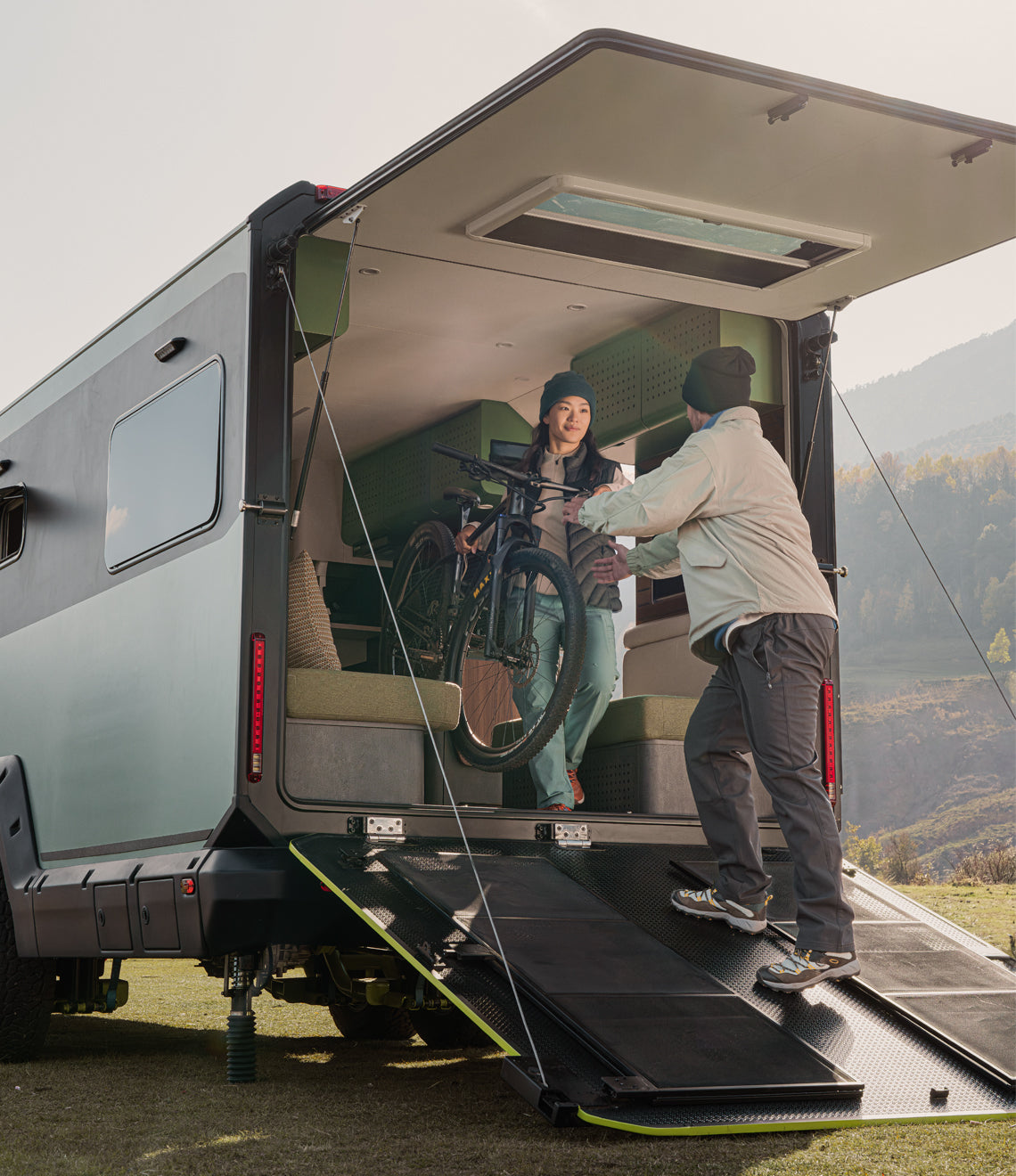

The Best Boondocking Spots in Florida
|
Boondocking location |
Key features |
Best for |
|---|---|---|
|
Ocala National Forest (central Florida, near Salt Springs) |
Free dispersed, sand pine scrub and clear springs; named spots Freak Creek, Trout Lake, St Johns River; sandy tracks, watch hurricane closures |
Spring country lovers; mixed rigs willing to scout soft sand |
|
Apalachicola National Forest (panhandle, southwest of Tallahassee) |
Biggest and most boondocker friendly; over half a million acres of pine flatwoods; hunt camps Buckhorn, Twin Poles, Camel Lake; fire ban May to October |
Solitude seekers wanting genuine free dispersed |
|
Osceola National Forest (near Lake City, Georgia border) |
Quiet pine and cypress; up to 14 days; Cobb and 17 Mile hunt camps, very basic, no water |
Campers wanting quiet; roll in fully loaded |
|
DuPuis Management Area (near Indiantown, South Florida WMD) |
About 22,000 acres, primitive lakeside, dark skies; free with SFWMD license; tents and pop up campers only; 8 day limit |
Tent and pop up campers; stargazers |
|
Upper Hillsborough, Potts Preserve, Green Swamp West, Lake Panasoffkee (SWFWMD) |
Cluster of free primitive sites; reserve via Swiftmud account; usually a portable toilet; campfire bans common |
Central Florida boondockers in small rigs; check each site |
|
Shell Key and Anclote Key Preserves (west coast, Pinellas and Pasco) |
Free primitive island camping, paddle or boat in; white sand, no services; Anclote needs a state park permit |
Paddlers seeking island solitude |
|
Big Cypress National Preserve (south Florida, US 41 Tamiami Trail) |
Sawgrass and cypress at the Everglades edge; backcountry permit system; designated roadside camping; dark skies; December to March only |
Wilderness seekers comfortable with a permit and raw conditions |
|
Statewide Wildlife Management Areas (FWC) |
Most remote camping in the state; usually needs a hunting or fishing license; rules vary widely; zero services |
Experienced boondockers wanting true isolation |
|
Lake Delancy West (Ocala NF, paid fallback) |
Primitive Forest Service campground that doubles as an OHV area; no hookups, fully self contained |
OHV crowd; hunting season fallback |
|
Ocean Pond Campground (Osceola NF, near Olustee, paid fallback) |
Cheap primitive sites on a cypress ringed lake; waterfront goes first; midweek winter is best |
Hunting season fallback wanting a waterfront base |
Florida flips everything you think you know about boondocking. There's no BLM here, none, so forget the wide open desert model you'd find with boondocking in Arizona [Internal link here]. What you've got instead is three national forests covering about 1.2 million acres, plus the state's network of Water Management District lands, a scattering of wildlife management areas and state forests, and a few wild island options most people never hear about. That's basically the whole game for free camping in the Sunshine State.
The other flip is the calendar. Out West, summer is prime. In Florida, summer is when you melt, the bugs carry you off, and the afternoon storms roll in like clockwork, and that's before you get into hurricane season. Boondocking here is a winter sport. The snowbirds know it, which is why the good spots fill up December through March, exactly when the rest of the country is frozen.
And here's the catch that trips up every newcomer: hunting season. For big chunks of the winter, dispersed camping in the national forests gets restricted to designated hunt camps only. Roughly mid November into early January is when this hits, and the exact dates live in the FWC brochure for each forest. Get the dates wrong and you'll get turned around by a ranger.
The Florida rules first timers always miss
Hunting season changes everything in the national forests. During general gun, free dispersed shuts down to designated hunt camps and a few specific campgrounds. Check the FWC brochure for the current year's dates before you commit a route.
Winter is high season, not summer. Plan for December through March. Summer is brutal heat, relentless mosquitoes, daily thunderstorms, and hurricane risk from June through November.
No BLM, and rest areas are a no. Florida bans overnight parking at highway rest areas, and city and county land will get you ticketed or towed. Stick to the national forests, WMDs, WMAs, and state forests.
WMDs and WMAs are different agencies. Water Management Districts (WMDs) are state water agencies that run their own free camping with a no cost Special Use License. Wildlife Management Areas (WMAs) are FWC land where you usually need a hunting or fishing license to camp. Don't confuse them, the rules and permit systems don't overlap.
Free dispersed: the national forests
1. Ocala National Forest, central Florida, near Salt Springs and Ocala
The big one, and the most popular boondocking forest in the state. Largest sand pine scrub on earth, dotted with crystal clear springs that stay swimmable year round. Dispersed camping is allowed across much of it outside the developed recreation areas, and the spring country is genuinely special. Named dispersed spots boondockers point each other to include Freak Creek (secluded, primitive, minimal cell service), Trout Lake Primitive Sites (lakeside but narrow sandy access, higher clearance recommended), and the St. Johns River Dispersed area for riverside camping if the road's dry.
Rig fit: ranges from easy to gnarly. Plenty of firm forest roads a big rig can handle, but the prettiest primitive spots sit down narrow sandy tracks where higher clearance or 4WD saves your day. Scout on foot if the sand looks soft.
Insider tip: stay at least 100 feet off water, roads, and trails, and skip the obvious day use zones like Juniper Springs, those aren't dispersed areas. Confirm current closures before you go too, parts of Ocala have been closed for hurricane recovery, so this is a forest where the official alerts page matters.
2. Apalachicola National Forest, panhandle, southwest of Tallahassee
The biggest of Florida's three national forests and the most boondocker friendly for genuine free dispersed camping. Over half a million acres of pine flatwoods, titi swamps, and quiet, and it sees a lot less traffic than Ocala. Free camping outside the developed areas, with named hunt camps like Buckhorn, Twin Poles, and Camel Lake that double as dispersed spots outside hunting season.
Rig fit: flatwoods mean a lot of the terrain is, well, flat and drivable, but this is swamp country, so low spots turn to soup after rain and some roads go impassable. Know the recent weather before you commit to a road.
Insider tip: there's typically a fire ban from roughly May through October because it gets bone dry, so don't plan trips around campfires in those months. Stay 150 feet off roads and trails.
3. Osceola National Forest, near Lake City, close to the Georgia border
The quiet one. Smaller and less crowded than Ocala, with pine forest and cypress swamps near the Georgia line. Up to 14 days at a spot outside hunt season, and the solitude is the draw. Known dispersed/hunt camp spots include Cobb Hunt Camp and 17 Mile Hunt Camp, both with very basic amenities (typically a trash can and a porta potty) and ground conditions that get rough after rain.
Rig fit: generally accessible forest roads, but no water sources anywhere, so roll in fully loaded. Fire ants are everywhere here, watch where you set your chair and your feet.
Insider tip: Farles Lake, Clay Lake, and South Tower hunt camps have been closed, so don't bank on those even if older guides list them. Verify any specific hunt camp is still open before driving out.
Free dispersed: the Water Management Districts (the option most articles skip)
Florida's five Water Management Districts run their own primitive camping on conservation lands, all free, all by a no cost Special Use License. The catch nobody mentions is that many of these sites are tent or pop up camper only, with vehicle restrictions, so they're not a fit for a 30 foot fifth wheel. If you're in a van, a truck camper, or a small trailer, this is a goldmine.
4. DuPuis Management Area, near Indiantown (South Florida WMD)
Roughly 22,000 acres of pine and palmetto with primitive lakeside campsites, dark skies for stargazing, and a chunk of the Ocean to Lake Trail running through. Free with an SFWMD Special Use License from sfwmd.gov/sul.
Rig fit: only tents and pop up campers are allowed in the family campground, no RVs in most of the area. The equestrian campground has different rules but requires horses. Read the rules before you drive down here in anything bigger.
Insider tip: the camping limit is 8 consecutive days at a time, and you have to leave the property for a full day before you can get another license, with a hard cap of 30 camping days per year across the entire district. Plan around hunting closures, the area shuts to non hunters during scheduled hunts (dates on the DuPuis calendar).
5. Upper Hillsborough, Potts Preserve, Green Swamp West, Lake Panasoffkee (Southwest Florida WMD, SWFWMD)
The SWFWMD ("Swiftmud") runs a whole cluster of primitive camping spots across central Florida that real Florida boondockers actually use. Reservations through a Swiftmud account at swfwmd.state.fl.us. Free, primitive, usually a portable toilet and not much else.
Rig fit: varies by site. Some allow personal vehicles in the campsites, some don't. Check the specific property page before you go.
Insider tip: Swiftmud has had a district wide campfire ban running on multiple properties (Potts Preserve, Lake Panasoffkee, Green Swamp West, Upper Hillsborough, and more), so don't plan a trip around a fire here, check the current status on the WaterMatters camping page. Stove cooking only.
The coastal option (paddle in, very different vibe)
6. Shell Key Preserve and Anclote Key Preserve, west coast (Pinellas / Pasco)
Free primitive island camping a paddle or boat ride from the mainland, basically the Florida boondocking experience that has nothing in common with the rest of this list. Pure white sand beaches, no services at all, pack everything in and out including water and waste.
Rig fit: none, in the usual sense. You leave the rig at a launch (Fort De Soto for Shell Key, Anclote River Park for Anclote) and paddle or boat across. Anclote Key requires a permit through Florida State Parks.
Insider tip: check the marine forecast as seriously as a road forecast. The crossing's easy in calm winter weather and miserable in wind, and the islands have zero shelter if the weather turns. Late winter midweek is the move.
Big Cypress: a category of its own
7. Big Cypress National Preserve, south Florida, on US 41 (Tamiami Trail)
A totally different Florida: sawgrass, cypress, and gator country at the edge of the Everglades. Big Cypress allows backcountry and designated off road access camping, but it runs on a permit system, so it's not a roll up and park situation. Worth it for the sheer wildness and the night skies.
Rig fit: the established roadside and designated camping areas off US 41 suit most rigs, but anything venturing off the main corridor is much more committed. Most boondockers stick to the designated areas near the Tamiami Trail.
Insider tip: you need a backcountry permit, and the experience is raw. Mosquitoes here are a force of nature outside the cool dry months. December to March only, truly. Keep a clean camp, this is genuine alligator and snake habitat.
Wildlife Management Areas (FWC), a whole category worth knowing
8. Statewide WMAs, managed by FWC
Florida's WMAs offer some of the most remote camping in the state, but most require a valid Florida hunting or fishing license to camp, and rules vary wildly from one WMA to the next. These are for the boondocker who wants true isolation and is willing to do the homework on each specific area.
Insider tip: because WMAs are so remote and have zero services, your power and water setup carries the whole trip, you won't be topping off anything for days. This is exactly the kind of place a power generating rig like the Evotrex-PG5, with its massive LFP battery pack, solar, and onboard generator, earns its keep, letting you sit deep in a WMA without rationing electrons. Pull each WMA's specific regulations off the FWC site before you go, because a wrong assumption out here means a long drive for nothing.
Paid fallbacks worth knowing (especially during hunting season)
These aren't free, but they're cheap, primitive, and they're where you go when general gun closes free dispersed in the national forests.
Lake Delancy West (Ocala NF): primitive forest service campground that doubles as an OHV area, popular with the off road crowd. Quieter East side, busier OHV heavy West side. No hookups, fully self contained.
Ocean Pond Campground (Osceola NF, near Olustee): the legal hunting season fallback in Osceola, on a pretty cypress ringed lake. Small lake loop, waterfront sites go first, midweek in winter is your best shot.
Don't take my word for it, check before you roll
Florida is the state where this matters most, because the rules genuinely change with the season. Hunting dates shift every year, hurricanes close whole sections of forest, and fire bans come and go. Apps are great for finding a spot, but for anything legal, confirm it straight from the agency. Five minutes here saves you a wasted drive or a ticket.
National forests (Ocala, Apalachicola, Osceola):
-
National Forests in Florida, official Forest Service site and current alerts: fs.usda.gov/r08/florida
-
Hunting and seasonal camping restrictions, the page that tells you when dispersed closes to hunt camps only: fs.usda.gov/r08/florida/recreation/opportunities/hunting-shooting
-
MVUM (Motor Vehicle Use Map) for which forest roads you can legally drive and camp along, plus the Avenza Maps app for offline GPS use: fs.usda.gov/visit/maps
Water Management Districts (free with a Special Use License):
-
South Florida WMD (DuPuis, etc.), Special Use License portal: sfwmd.gov/sul and recreation: sfwmd.gov/community-residents/recreation
-
Southwest Florida WMD ("Swiftmud"), camping properties and current fire/campfire alerts: swfwmd.state.fl.us/recreation/camping
-
The other three districts (St. Johns River, Suwannee River, Northwest Florida) each run their own recreation pages. Search the district name plus "camping" to find the current page.
Wildlife Management Areas and licenses:
-
Florida Fish and Wildlife Conservation Commission (FWC), WMA regulations and the hunting brochures that drive forest closure dates: myfwc.com
State forests:
-
Florida Forest Service, state forest camping rules and any required permits: fdacs.gov/Forest-Wildfire
Big Cypress National Preserve (the permit system):
-
National Park Service, Big Cypress camping and backcountry permits: nps.gov/bicy
Coastal island camping:
-
Florida State Parks for Anclote Key permits: floridastateparks.org
-
Pinellas County for Shell Key Preserve info: search "Shell Key Preserve" on the county site
When in doubt, call the local Ranger District, the FWC regional office, or the WMD recreation line. That one phone call is the most underused tool in boondocking, and in Florida during hunting season it's close to essential.
Water, dumping, apps, and things to watch out for
Water and dumping: the national forest dispersed sites and most WMD lands have no services, so plan it into your route. State parks (many let you dump and fill for a small fee without staying), the larger forest service campgrounds, and the usual highway and town options are your bets. Carry extra jugs and top off whenever you pass water.
Apps: Campendium and iOverlander for spots and recent comments (this is where you'll catch a hunt season closure or a flooded road), The Dyrt for the most Florida dispersed reviews. The apps tell you what a place is like, the agency tells you what's legal and open right now. Use both.
Things to watch out for:
-
Hunting season in the national forests, mid November to early January, see the FWC brochure for current dates.
-
Heat and humidity are no joke May through September. Without hookups means no AC unless you're running serious power, so winter is the move.
-
Bugs. Mosquitoes and biting flies are relentless outside the cool dry season, and fire ants are everywhere year round. Watch where you set up.
-
Hurricanes and flooding run June through November and can close forests with little notice. Swampy roads flood fast after heavy rain.
-
Fire bans are common in dry stretches, especially in Apalachicola and across SWFWMD properties. Don't count on a campfire, check the current ban list before you go.
-
Vehicle restrictions on WMD lands. Many WMD campsites are tent or pop up only, not for larger RVs. Read the specific site's rules.
Florida boondocking isn't the open desert and it never will be. It's fussier, the season is short, the hunting calendar rules the forests, and half the best free spots are tent territory. But get the timing right and the rig right and you've got free camping next to crystal springs, on a dark sky preserve, or on a sandbar island while half the country is shoveling snow. Their loss. See you out there.