
RV depreciation, how the curve really works and how to soften it
Depreciation is the largest cost of RV ownership for most people, and the only one that never sends a bill. It simply shows up years later as the gap between what you paid and what the rig is worth. Understanding the shape of that curve changes how you buy, how you care for a rig, and when it makes sense to sell.
The honest caveat first. There is no official depreciation table for RVs, and any site quoting exact percentages by model year is presenting estimates as facts. What follows is the directional pattern that industry pricing guides broadly agree on, which is enough to make better decisions.

How RV depreciation works
RVs follow the same basic curve as vehicles, steep at first and flattening with age. The largest single drop happens the day a new rig leaves the lot, because it instantly becomes a used rig in the market's eyes. The first few years continue the steep slope, the middle years flatten, and old age is nearly level, with condition mattering far more than model year.
Industry pricing guides generally describe first-year losses for many RV categories in the broad neighborhood of 15 to 25 percent, with cumulative five-year losses often quoted in the range of 30 to 50 percent depending on category, condition, and market timing. Treat those as directional ranges. The used market swings with demand, and the surge-and-slump cycles of recent years moved real resale values far more than any table predicted.
| Ownership stage | Typical pattern (directional, approximate) |
|---|---|
| Year 1 | Steepest single drop, commonly cited around 15 to 25 percent |
| Years 2 to 5 | Continued meaningful decline, cumulative losses often 30 to 50 percent |
| Years 6 to 10 | Curve flattens, condition starts to outweigh age |
| Years 10 and up | Slow decline, value driven almost entirely by condition and records |
How the curve differs by category
Motorized RVs tend to depreciate faster than towables, since a motorhome ages on two fronts at once, as a coach and as a vehicle with an engine and mileage. Towables hold up comparatively better because there is no drivetrain to age, and the trailer is judged almost entirely on structure and condition.
Within every category, build quality stratifies the outcome. High-volume, entry-level units built to a price depreciate hardest, while premium rigs from builders with strong reputations tend to hold value noticeably better, helped by durable construction and by buyers who specifically seek those rigs used.
What speeds depreciation up
A few things reliably push a rig down the curve faster than its age alone would.
- Water damage. Even repaired, a moisture history discounts a rig more than any other single factor, and unrepaired rot can take resale value close to zero.
- Missing records. A rig with no maintenance history sells like a rig that received no maintenance.
- Heavy cosmetic wear. Faded gelcoat, UV-cracked sealants, and a tired interior read as neglect even when the bones are sound.
- Dated or unpopular floor plans. Layouts fall out of fashion, and a floor plan the market has moved past is a discount at resale.
- Overpaying at purchase. Paying full spring-season retail deepens every later loss, since depreciation is measured from what you actually paid.
What slows depreciation down
The same logic runs in reverse, and most of it is within an owner's control.
- Keep the water out. Sealant care and roof inspections protect the single factor buyers fear most.
- Document everything. Receipts, service logs, and dated photos turn your maintenance into resale value.
- Store it protected. Covered or indoor storage slows UV, weather, and freeze-thaw aging, and it shows at trade-in time.
- Start with durable construction. Composite and zero-wood builds resist the rot and delamination that drag resale hardest, so construction choice at purchase is also a depreciation decision.
- Buy at the right point on the curve. A rig bought lightly used, after the steepest drop, has structurally less depreciation left to charge you.
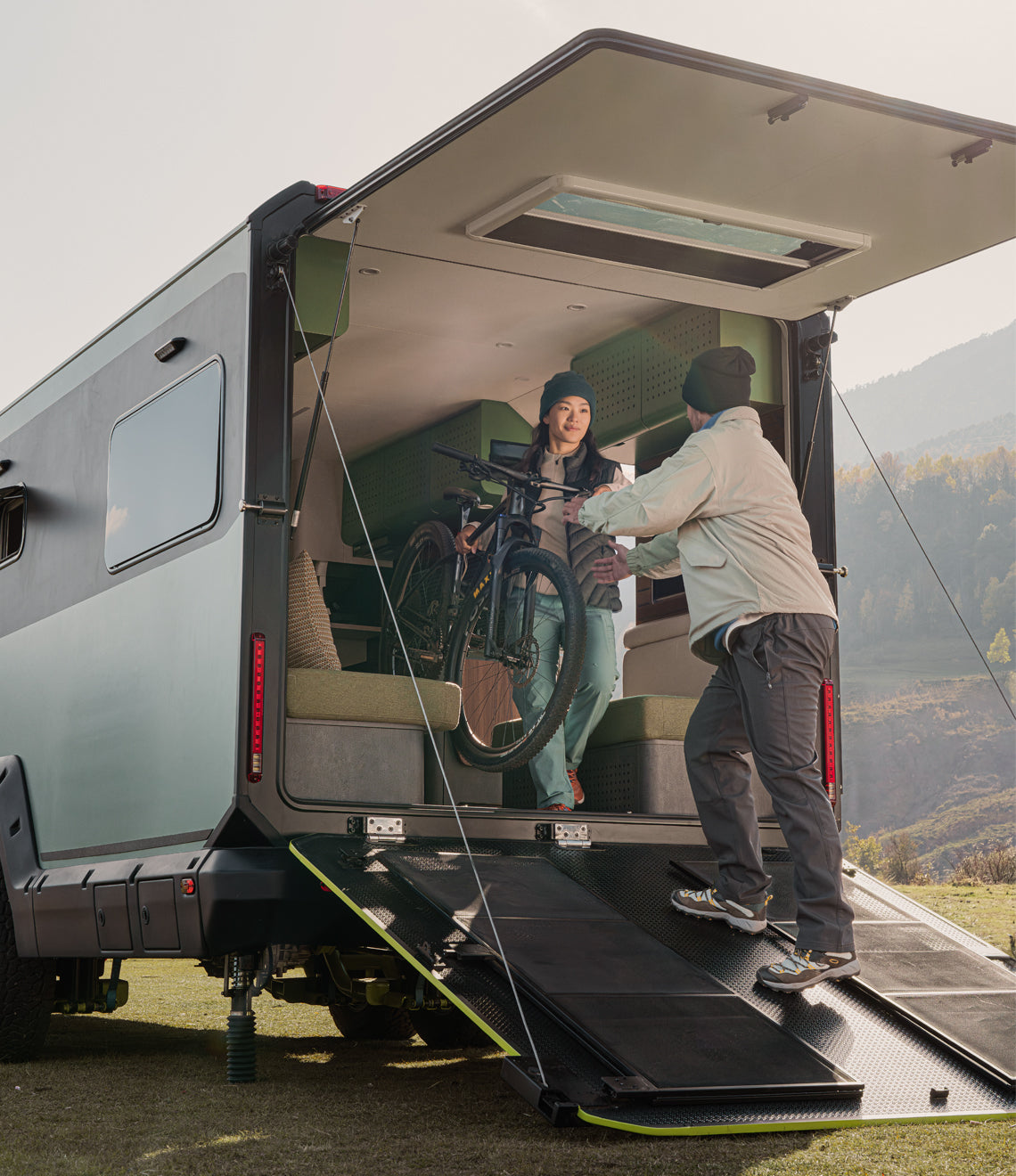
Construction quality is where the Evotrex-PG5 speaks to the long game. Its zero-wood fiberglass composite shell and high-strength automotive-grade steel chassis are built to resist the water intrusion and structural aging that push conventional rigs down the curve fastest, and its integrated power system delivering 270+ kWh of usable energy per cycle is a documented factory capability rather than a bolt-on a future buyer has to evaluate.
Buying and selling around the curve
For buyers, the curve suggests two sensible entry points. Buy new if you plan to keep the rig long enough to spread the early drop over many years of use, and buy at two to five years old if you want the most rig per dollar, letting the first owner absorb the steep part. Either way, the price you pay sets your personal curve, so negotiating well and buying in the off-season both function as depreciation insurance.
For sellers, condition and story carry the sale. Fix the small cosmetic issues, gather the records into one folder, list in spring when demand peaks, and price against sold listings rather than asking prices. A clean, documented rig at a fair price sells quickly in almost any market, and that is the version of depreciation you can actually control.
The short version
RV depreciation runs steepest in the first years, with industry pricing guides broadly describing first-year losses around 15 to 25 percent and five-year cumulative losses often in the 30 to 50 percent range, before the curve flattens and condition takes over. Motorhomes generally fall faster than towables, and neglected rigs fall fastest of all. Keep water out, keep records, store the rig well, and buy either new-for-the-long-haul or lightly used, and the curve becomes manageable. Durable construction helps from the start, which is part of the case for a zero-wood build like the PG5.
Frequently asked questions
How much does an RV depreciate per year?
There is no fixed rate. Directionally, industry pricing guides describe the first year as the steepest, commonly around 15 to 25 percent, with the annual rate easing after year five. Condition and market timing move individual rigs well outside any average.
Do travel trailers hold their value better than motorhomes?
Generally, yes. Trailers have no engine or mileage to age, so they are valued on structure and condition, and they typically ride a gentler curve than motorized rigs.
What hurts an RV's resale value the most?
Water damage, past or present. It is the first thing informed buyers check and the biggest discount when found. Missing maintenance records are a close second.
Is buying a used RV a way to avoid depreciation?
It softens it substantially. A rig that is a few years old has already taken its steepest losses, so a used buyer starts on the flatter part of the curve. The trade is inspection risk, so verify condition carefully.
When is the best time to sell an RV?
Spring, when buyer demand peaks ahead of camping season. A clean rig with organized records, listed against sold-price comparisons, captures the best of whatever the market is offering that year.
By the Evotrex Travel Team. RV travelers and off-grid testers. Specs, prices, and rules change over time, so check official sources before you rely on them.